How to create a full marketing campaign for your fashion brand
Plan and produce a complete multi-channel campaign for your fashion brand: Hero visuals, short-form video, and copy that all feel like one drop, in a single session.
Know your campaign moment (a collection drop, seasonal sale, or brand push) and have a few product photos ready: Upload them, or @mention the asset card if you've saved them in SecretSauce.
How it works
1
Plan the campaign
Turn your theme, goal, window, and audience into a dated content plan, each item tagged with its channel, format, angle, source photo, and aspect ratio.
2
Produce the campaign set
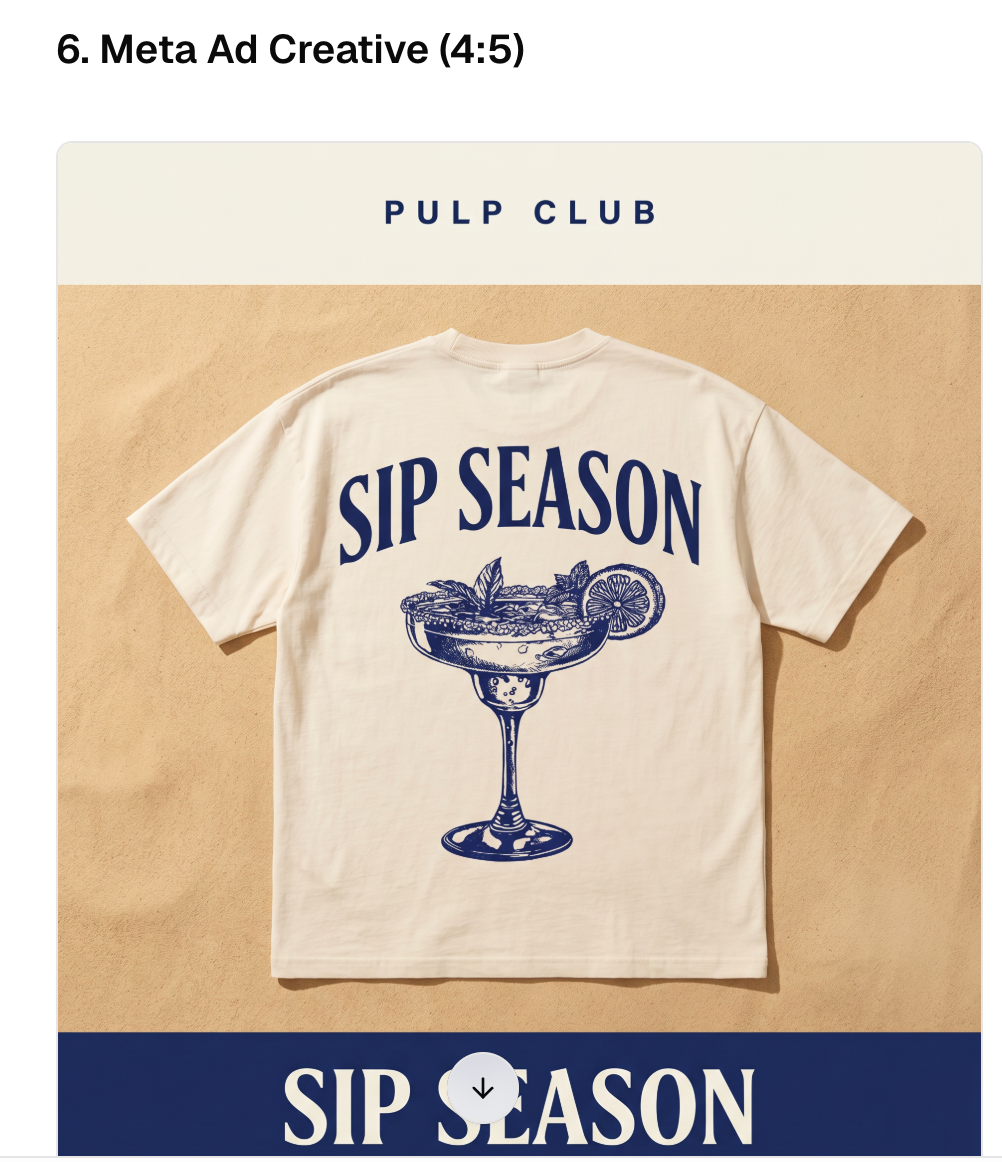
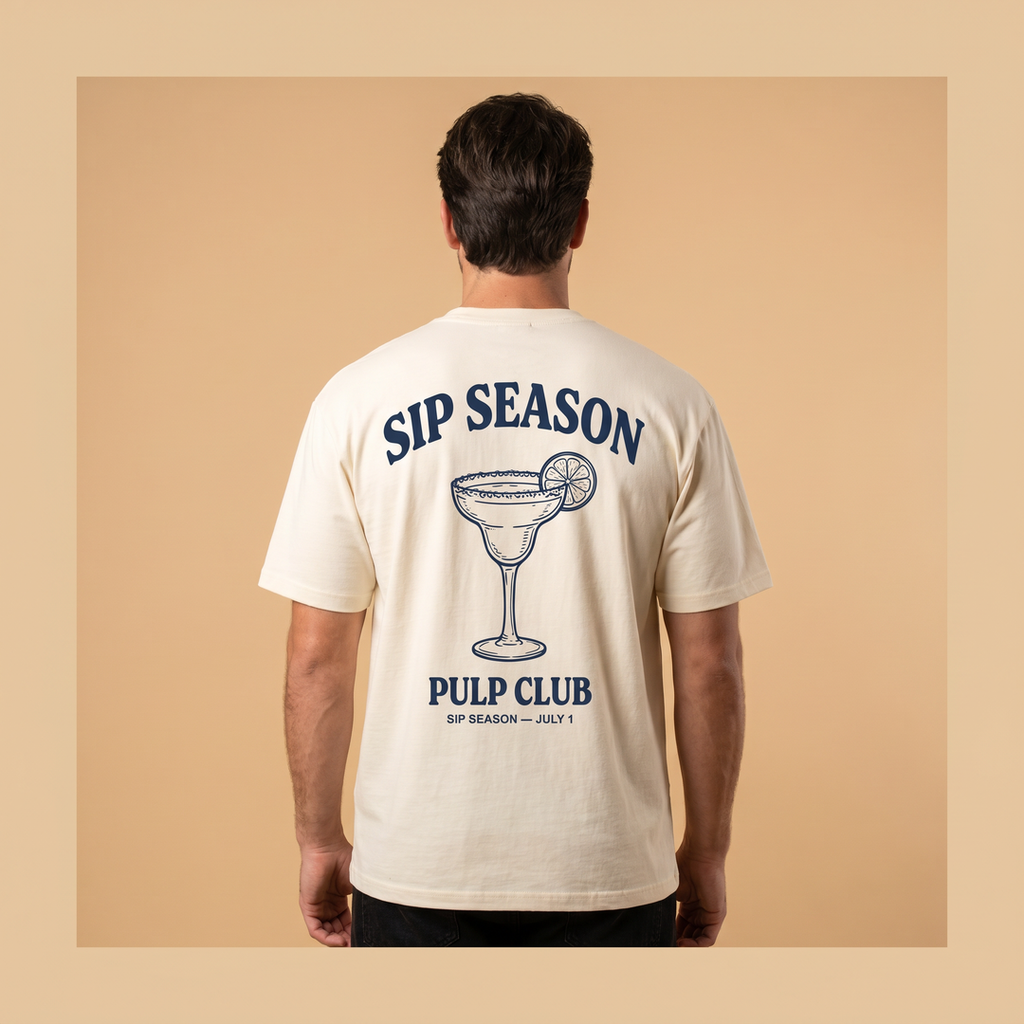
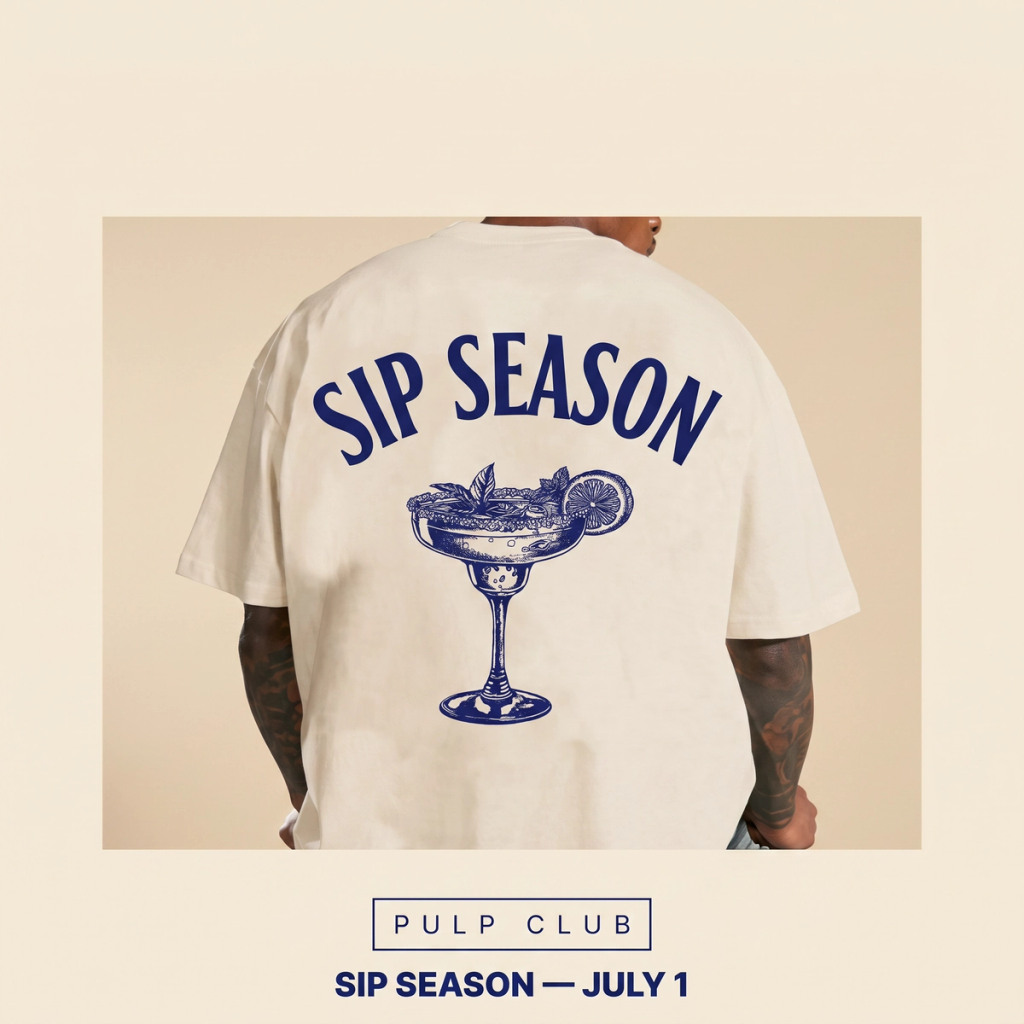
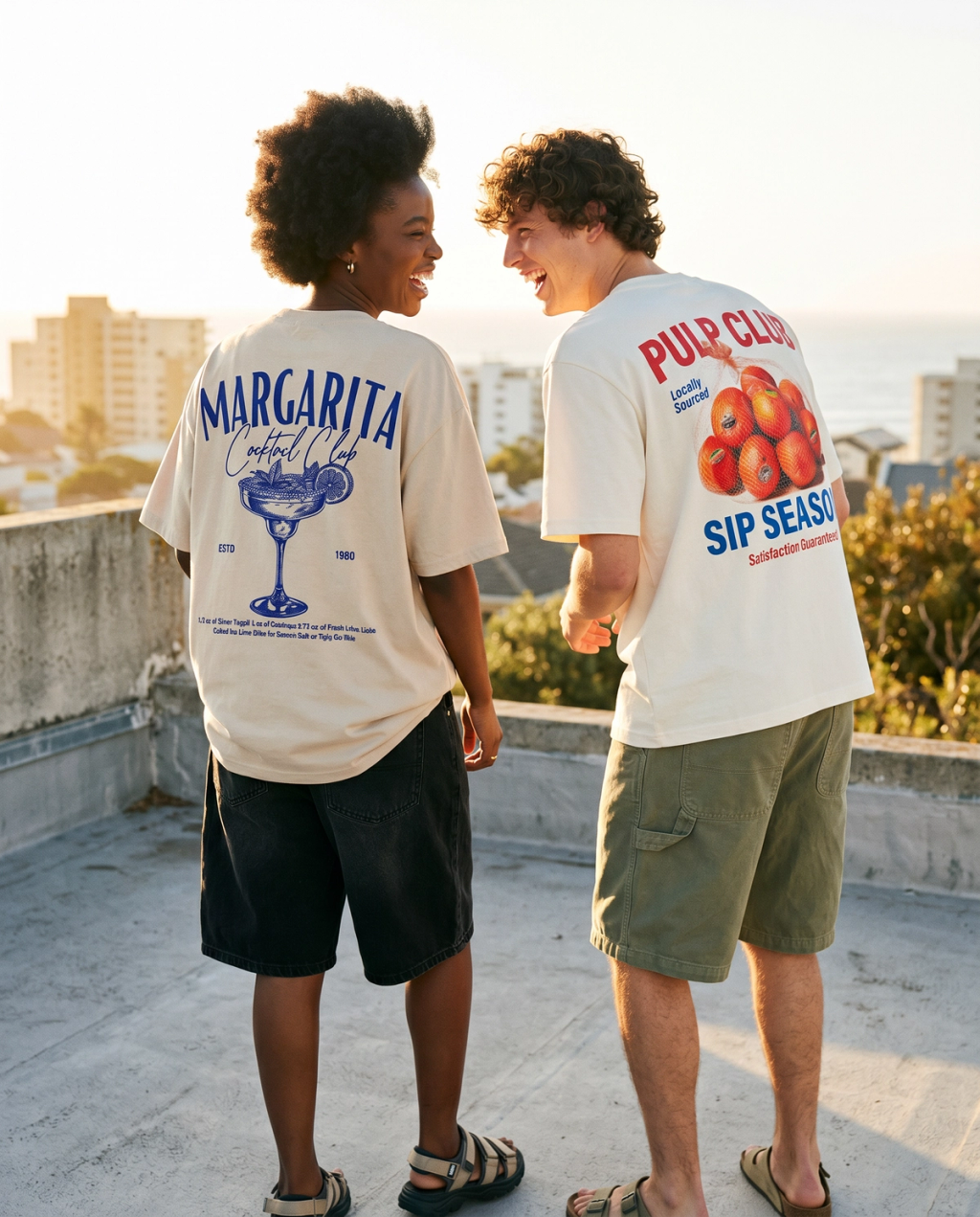
Generate each item as the plan calls for it in one consistent aesthetic: Statics with /productPhotoshoot at their placement ratio (1:1 or 4:5 for feed, 9:16 for Stories), and short-form video with /ugcVideo at vertical 9:16, all built from your own product photos.
3
Write the campaign copy
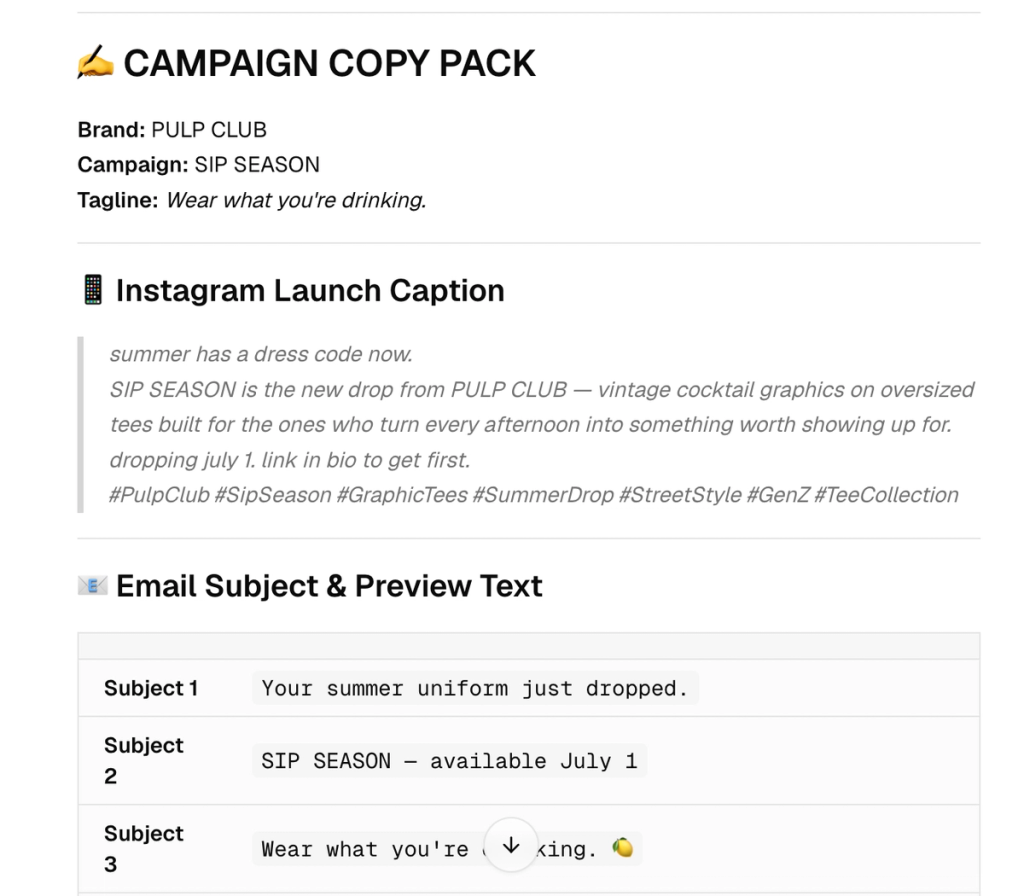
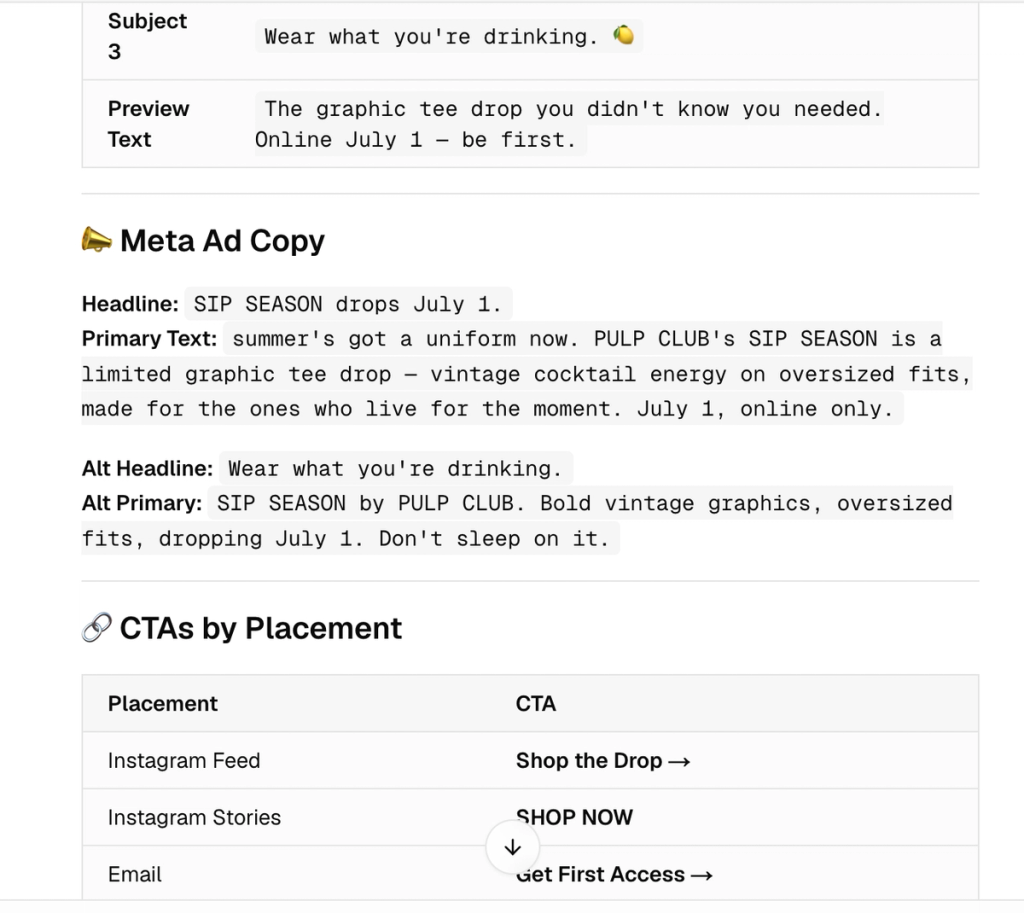
Write every caption, email subject and body, pin description, and ad headline in one voice, each a version of a single campaign headline adapted for its channel.
4
Caption the videos
Add on-screen captions to every clip so it lands on mute, matched to the campaign voice.
A fashion campaign is the moment your brand speaks with one voice across every channel at once: The same look, the same story, the same energy from your Reels to your email to your grid. Pull that off and a new drop feels like an event instead of another post.
Here's how to plan and produce a full campaign for your fashion brand in a single session, with visuals, short-form video, and copy that all belong to the same idea.
What makes a fashion campaign feel like a campaign
A campaign feels like a campaign when every piece ladders up to one idea: A new collection, a seasonal moment, a sale, or a brand story you want to land. The visuals, the copy, the format, and the timing all point the same direction, so the whole window reads as one deliberate push instead of scattered posts.
What makes a drop land is intention. When your aesthetic holds steady, your caption voice matches your imagery, and your TikTok, your email, and your Instagram grid all read as the same brand, people feel the coherence and trust it. That consistency is what you're building here, and it's within reach without an agency or a team of ten.
How to build your campaign brief
A strong brief comes down to four decisions you make before you open any tool. Get these right and everything downstream gets easier.
The theme: The single idea everything ladders up to, whether that's a new drop, a seasonal story, or a brand value you want to push. If you can say it in one sentence, you've got your hook.
The window: How long the campaign runs. A product launch might be two weeks, a flash sale five days. The window decides how much content you need and how you pace it.
The goal: Whether you're driving awareness, clicks to your site, or conversions. Your goal shapes which channels you lead with and what your calls to action say.
The audience: The specific person you're talking to, the follower who already buys from you and is most likely to share this with a friend. Get specific enough to picture one real customer.
How to choose your channels and formats for fashion
The right channels for a fashion campaign are the two or three where your buyers already spend time, covered well, rather than a thin presence spread across all of them. Here's how the main ones earn their place.
Instagram: Your anchor. Reels reach far more non-followers than static posts, which is why they carry discovery, while carousels drive saves and your grid works as your storefront. Lead a drop with Reels for reach, then follow with a carousel that shows the full range.
TikTok: Best when you've got a story to tell or a product with visible results. Try-ons, behind-the-scenes, and styling clips do the work here, and the platform rewards showing up consistently over one polished hit.
Pinterest: Underused by most fashion brands and strong for intent-driven traffic, because people there are actively planning purchases. If your product photographs well, and it does, pin every piece of campaign content you make.
Email: Your highest-converting channel when you have a list. Send at the start of the campaign to warm your audience, then again on the last day with real urgency, and keep both short and visual.
Facebook: Worth it mainly for paid reach and an older segment of your audience. Reuse your hero visuals and ad creative here rather than making anything net-new.
10 fashion campaign content ideas to fill your calendar
The fastest way to walk into launch day with more content than you need is to work from a menu of angles. Here are ten that consistently pull their weight for fashion brands. Pick the ones that fit your drop and adapt the examples to your voice.
The hero reveal: Your strongest product shot as the launch anchor, saved for day one. Example caption: "It's here. Meet the piece we've been keeping quiet about."
Three ways to wear it: One item styled three ways in a carousel or quick Reel, showing range and sparking saves. Example caption: "One dress, three moods. Which one's yours?"
Behind the seams: A making-of look at the fabric, the fit sessions, or the sketch that started it. Example caption: "Six months from sketch to this. Here's how it came together."
The founder's why: A short talking-head clip on why this collection exists. It builds trust that a product shot can't. Example caption: "I made this because I couldn't find it anywhere else."
Fit and fabric close-ups: Slow, tactile detail shots of texture, stitching, and drape that answer the question every online shopper has. Example caption: "The details you'd feel in person, up close."
The lookbook carousel: The full collection as a cohesive swipe, styled as one editorial story. Example caption: "The whole collection, one scroll. Swipe through the lineup."
Countdown to launch: A three-day teaser cadence across Stories that builds anticipation into the drop. Example caption: "48 hours. Set your reminder."
Shop-the-look pin: A clean, styled flat lay or on-model shot built for Pinterest search and planning. Example caption: "Fall layering, sorted. Tap to shop the look."
Last call: A final-day urgency post and email as the window closes. Example caption: "Last day. When it's gone, it's gone."
How to write campaign copy that stays on-brand
Copy that stays on-brand keeps one personality across every platform, changing the length and format but never the voice. A few habits hold it together.
Pick three words for your voice: If your brand is "effortless, confident, and a little playful," run every caption, subject line, and pin description through that filter before it ships.
Write the headline first: Nail the one sentence that captures the whole campaign, then write each piece of channel copy as a version of it, adjusted for format and context.
Keep a swipe file: Save the phrases from your own past posts that earned comments, saves, and replies. Those are signals worth reusing as building blocks.
Proofread for voice: Read your captions out loud, and if they sound like someone else wrote them, give them another pass.
How to build your full fashion campaign with SecretSauce
You can go from brief to a full content library in one session, without spreading it across a week.
Start with the brief: Describe the moment, the audience, the window, and the channels you're running, and the plan comes back as a dated map with each item tagged by format, angle, and source photo.
Shoot the visuals: Generate a matching set of product photos from your uploads with /productPhotoshoot: Hero shots, editorial lifestyle frames, and feed-ready images in one aesthetic, each exported at the ratio its placement needs.
Film the short-form video: Create creator-style video at vertical 9:16 for Reels and TikTok with /ugcVideo, captions burned in so it lands on mute.
Write every word: From a single campaign headline, generate the captions, email subject lines and body, pin descriptions, and ad headlines, all in your brand voice and ready to edit.
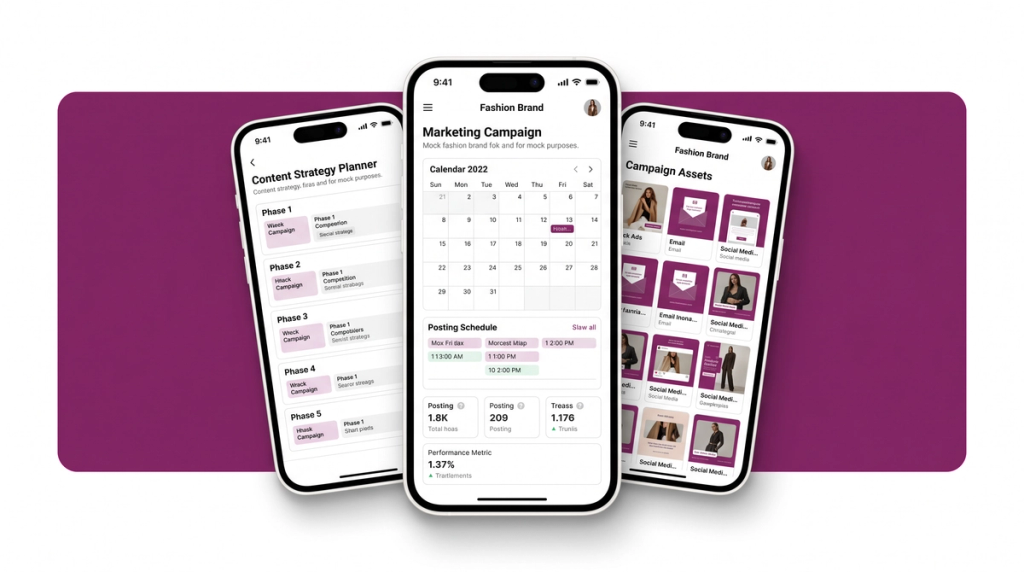
Map the calendar: Lay the set across your window, front-loading launch with your strongest visuals, pacing the middle with support, and closing with urgency if there's a sale.
Launch day and the days after
Launch day is where the plan meets your audience, so post your anchor content, send your email, and pin your hero images, then stay close to what happens next. From there, schedule the rest of the calendar and boost your strongest performers on the channels that run ads.
For the first 48 hours, keep an eye on the response. Reply to comments, reshare Stories, and if something catches, lean into it with a follow-up and extend the moment while it's live.
Halfway through the window, check what's working. If one image is pulling more saves than the rest, make more in that style. If a caption format is driving link clicks, replicate it. The brands that win a campaign are the ones paying attention as it runs.
When the window closes, run a quick audit: What worked, what fell flat, and what you'd change. Write it down while it's fresh, because the best brief for your next launch is the one you capture right after this one wraps.
Why this beats starting from scratch
This beats starting from scratch because a campaign that once meant an agency, a three-week wait, and a budget you didn't have yet now comes together in an afternoon. You keep the polish and the consistency that make a drop feel intentional, and you spend your time on the taste calls that matter instead of the production grind.