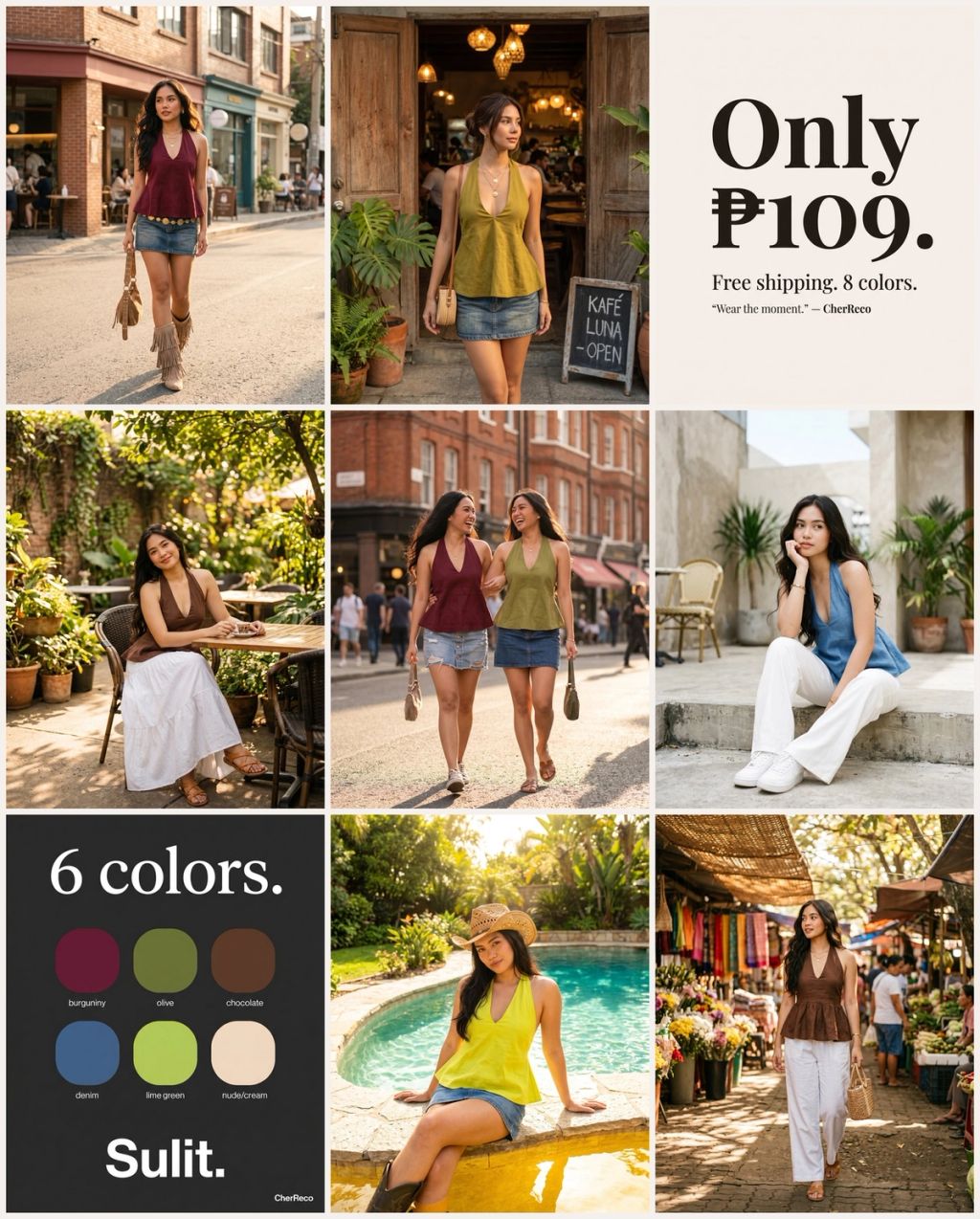
Set up an Instagram business account you can post from, and have a few product or lookbook photos ready. Upload them, or @mention your saved product asset card if you've got one in SecretSauce. Phone pics are fine!
How it works
1
Plan the week
Use /instagramWeeklyPlan to build a 7-day plan calibrated to your follower tier, with each slot tagged by topic, format (hero, lifestyle, flat lay, carousel, or Reel), hook, CTA, and hashtag mix, and sequenced so the feed reads as a cohesive grid.
2
Produce each post as the plan calls for it
Generate every item at its placement-ready ratio: portrait 4:5 or square 1:1 for feed statics, vertical 9:16 for Reels and Stories. Build the product and on-model shots from your own clothing photos, and cut the Reels as short creator-style clips. For any carousel, produce the full set of slides the plan specifies, not just the first.
3
Write the captions
Write each caption in the brand's voice, from minimal and editorial to warm and conversational, with fashion-specific hashtags and a CTA that fits the post: shop, save, or follow.
For a fashion brand, Instagram is the closest thing to a window display on a busy street. It's where people discover you, decide whether your aesthetic is worth following, and increasingly, where they buy. The brands growing on it aren't the ones posting the most, they're the ones who show up consistently with content that looks like a brand.
This guide covers the strategy, the post formats that perform, and how to build a full week of content in one short session.
How to build an Instagram strategy that grows your fashion brand
The fashion brands that win on Instagram rotate through a deliberate mix: hero product shots, lifestyle images that show the pieces worn in real moments, customer content, behind-the-scenes glimpses, and the occasional launch or offer. A feed of product-on-white shots blends into the scroll; that variety keeps people following, and it gives the algorithm different formats to push.
3 things matter most:
Content mix: Product, lifestyle, social proof, and promotion, rather than the same catalog shot on repeat. Fashion audiences follow accounts that have a point of view.
Consistency: The accounts that grow post several times a week and lean into Reels, which reach far more non-followers than static posts. Instagram's reach rewards regularity.
Saves: This is the engagement signal Instagram weights most heavily today. When someone saves an outfit post to buy later or come back for the link, Instagram reads that as high-value content and shows it to more people. The best fashion posts are built to be saved: how-to-style content, flat lays with multiple options, outfit breakdowns.
What makes a great fashion Instagram post
A great fashion Instagram post does 3 things: it stops the scroll, it fits a cohesive grid, and it gives the viewer a clear next step. Knowing what separates a post that converts from one that gets ignored helps you create better content and judge it faster.
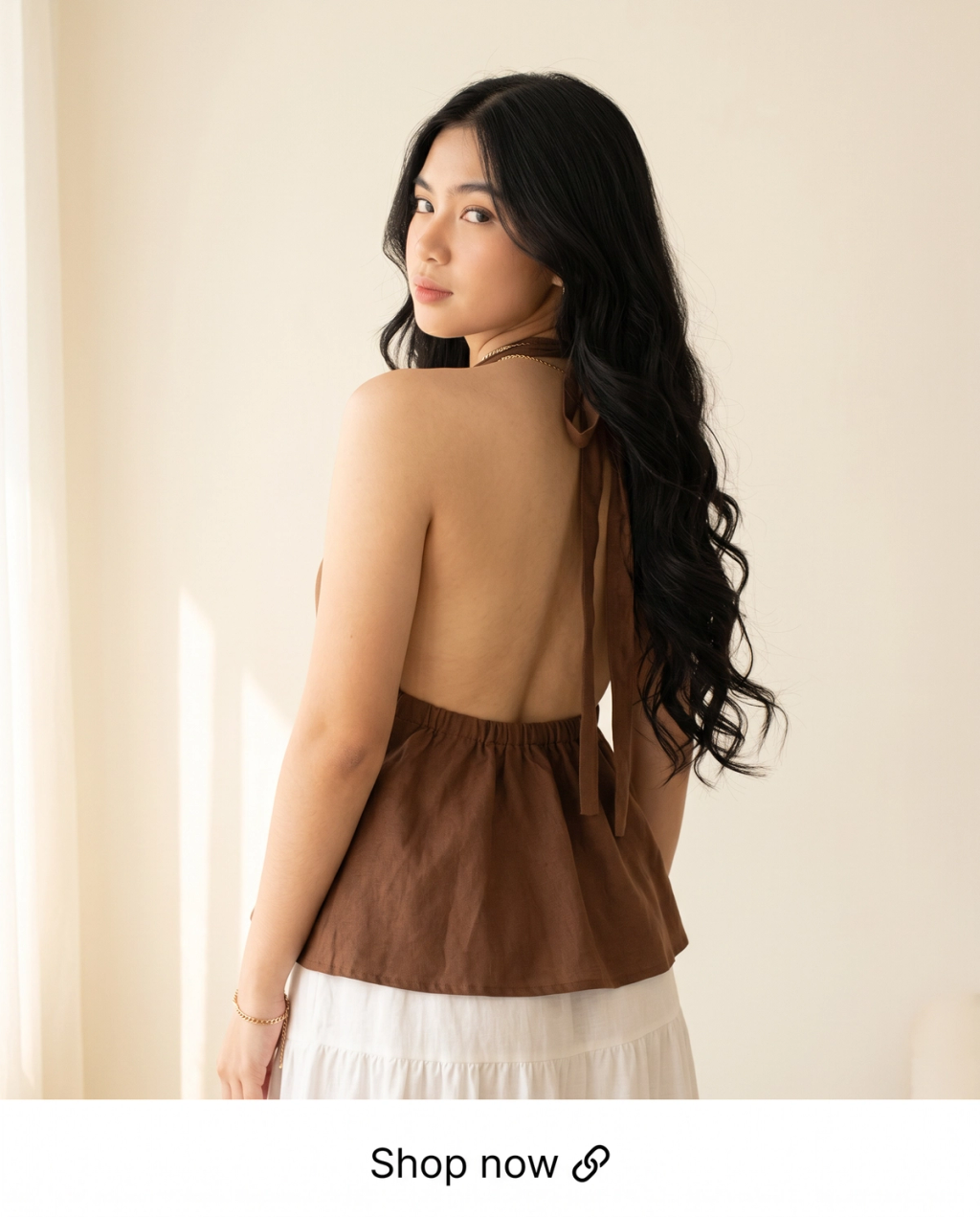
The photo has to stop the scroll: Clean lighting, a considered background, styling that fits your brand. A polished shot reads as a trustworthy product while a flat, dim photo reads as a risky purchase.
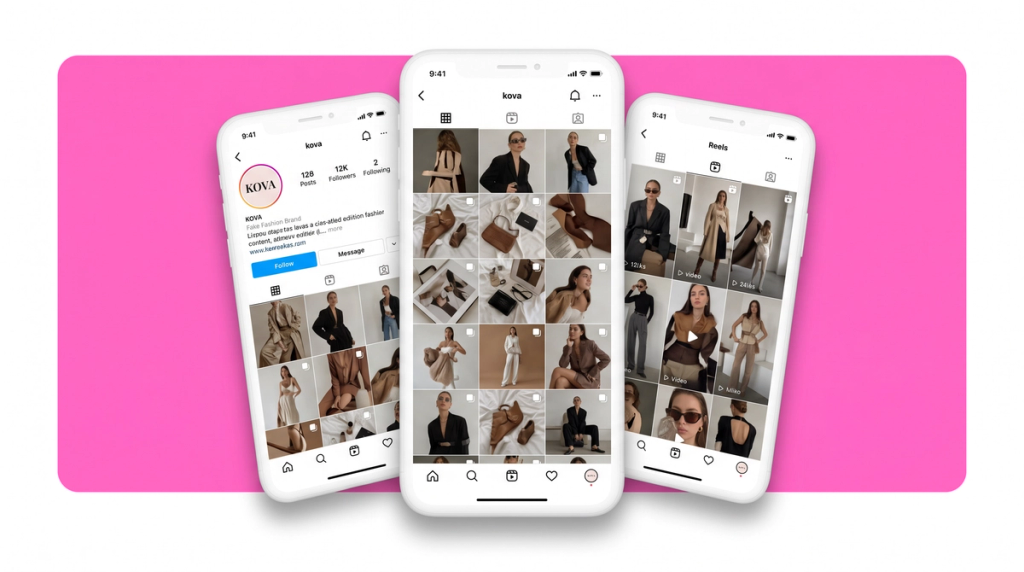
Your grid is a first impression: When someone lands on your profile deciding whether to follow, a cohesive feed signals a brand that has its act together, and that confidence transfers to the pieces. Think consistent tones, a recognizable aesthetic, and a deliberate rhythm between product and lifestyle shots.
Every post needs a job: A caption that ends with a clear next step, like "tap to shop," "save this for inspo," or "link in bio," turns attention into action. Tag the products in every post that features them, so the path from "I want that" to checkout is two taps.
9 fashion Instagram post ideas that perform
If you're staring at a blank content calendar, these are the formats that consistently work for fashion brands, and each one works with assets you likely already have.
1. The product hero: A clean, beautifully lit shot of your bestseller, styled to stop the scroll. This is your anchor content, worth the most time to get right.
Example caption: "The one that sells out every time. Back in stock. Tap to shop before it goes again."
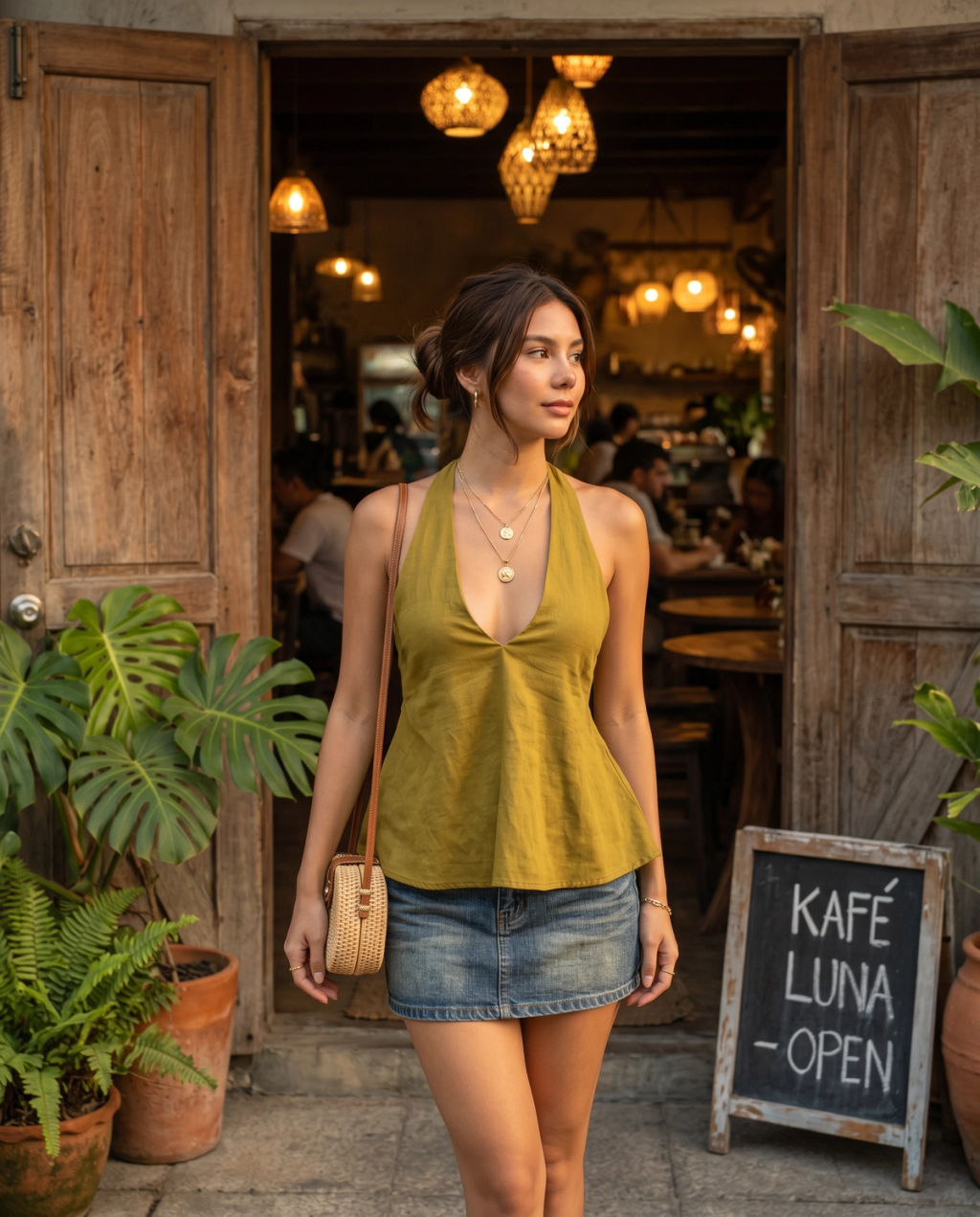
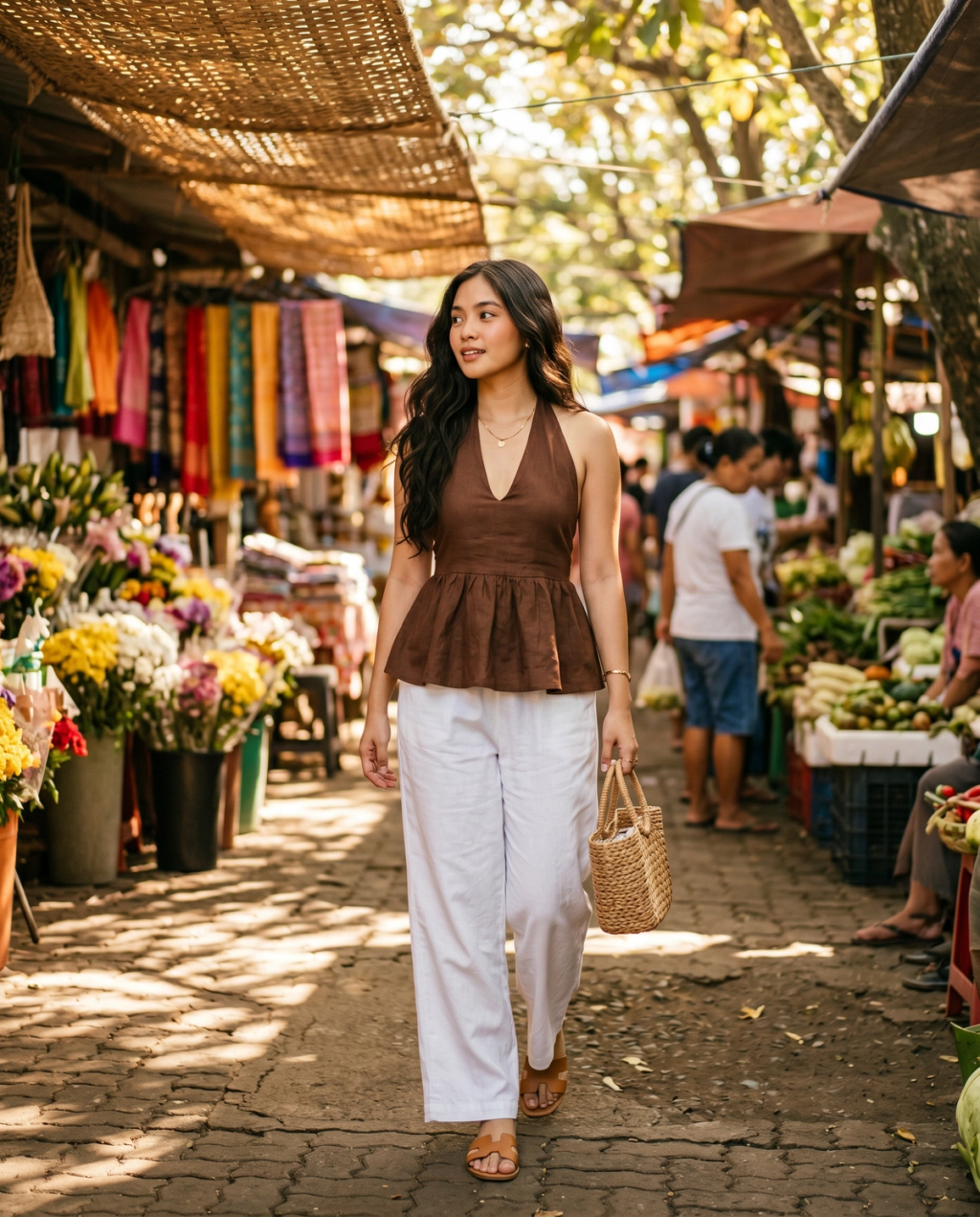
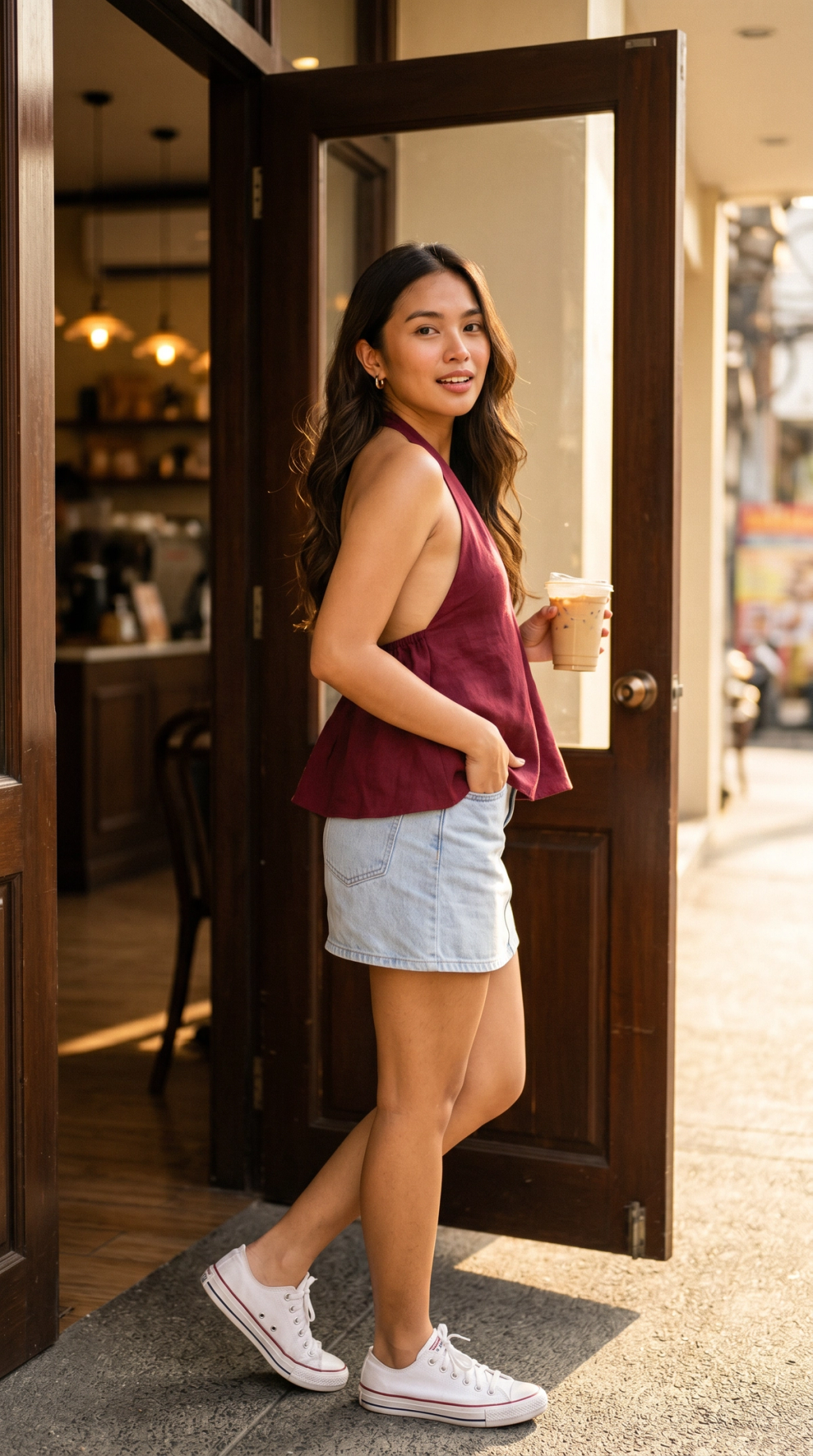
2. The outfit in the wild: A lifestyle shot of the piece worn in a real moment: a market, a café, a walk in golden hour. People buy the feeling a piece gives them as much as the garment, so show them the feeling.
Example caption: "A Saturday that felt like a whole vibe. Shop the look via the link in bio."
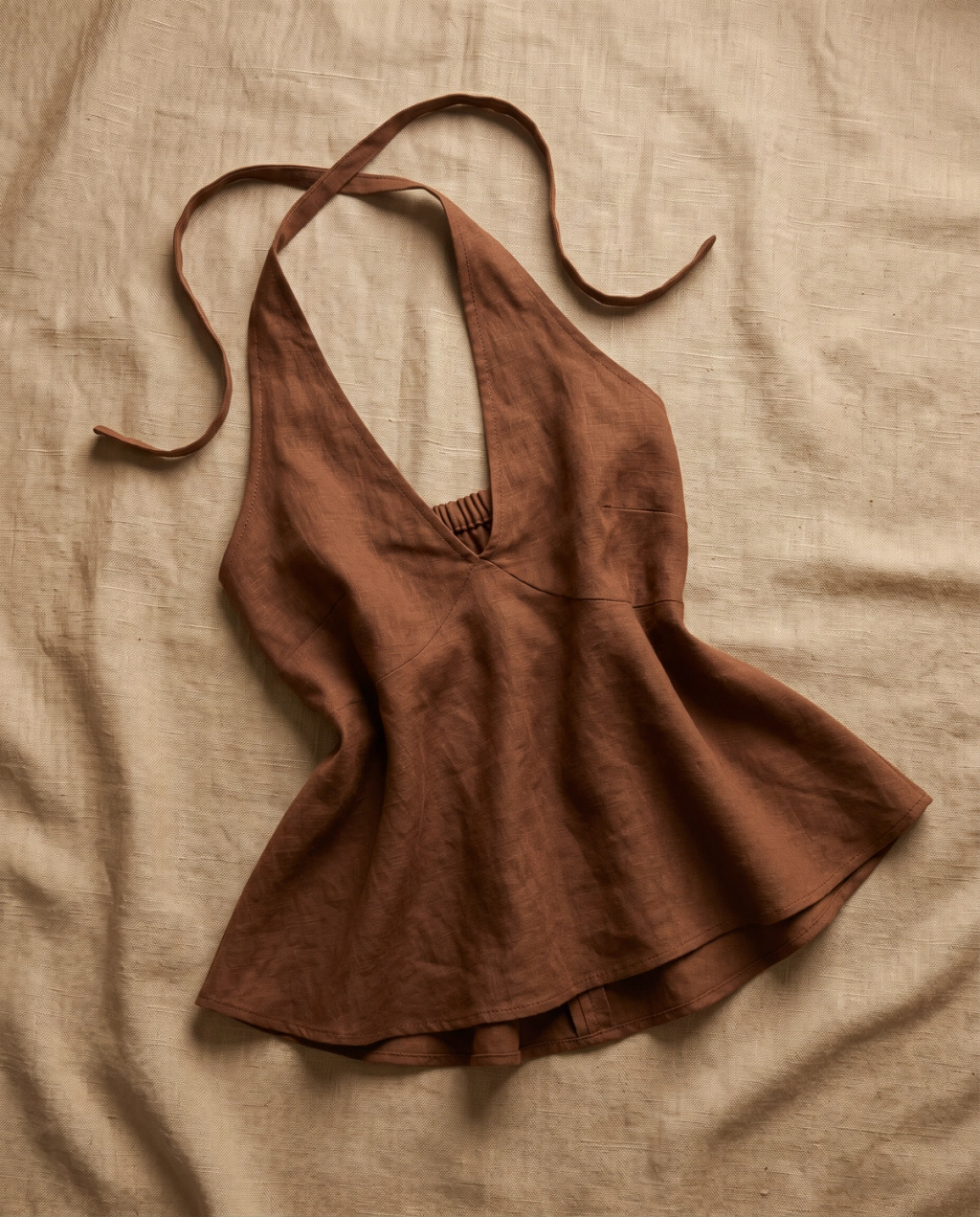
3. The flat lay: An overhead arrangement of the product alongside complementary pieces or textures. Flat lays earn saves because they work as styling reference.
Example caption: "Everything we packed for the weekend. Tap the pieces. Save for later."
4. Customer and UGC content: Reshare a customer's photo or video and thank them. User-generated content is more persuasive than anything you can say about yourself, and it signals a brand people love wearing.
Example caption: "When it looks even better on you. Tag us to be featured."
5. Founder or behind the scenes: Why you started, how the pieces are made, the small decisions behind the design. For independent brands, the story behind the product is part of why it's worth buying.
Example caption: "I designed this because I could never find a top that fit quite right. So I made one."
6. The launch teaser: Building to a drop? Tease it with a detail shot and a countdown. Early engagement tells the algorithm to push the full reveal when you publish it.
Example caption: "Something new lands Thursday. Comment if you want early access."
7. The limited offer: A time-bound discount, a bundle, or a free-shipping window. Offers create urgency and give followers a reason to buy this week rather than someday.
Example caption: "48 hours only. 20% off everything. No code needed. Link in bio."
8. How to style it: Show 3 ways to wear the same piece, or how to take an outfit from day to night. Educational content gets saved, and saved content gets pushed to more people.
Example caption: "3 ways to wear the linen set you already have. Save this for when you're stuck getting dressed."
9. The shoppable carousel: Multiple products or angles in one post, each tagged. Carousels boost time-on-post and let you merchandise a whole collection in a single swipe.
Example caption: "The full summer drop in one place. Swipe and tap whatever catches your eye."
These 9 formats give you weeks of content to rotate through. The challenge is producing them consistently without it taking over your week.
How often should a fashion brand post on Instagram?
A fashion brand should post 3 to 5 feed posts a week: frequent enough to stay top of mind, restrained enough that every post earns its place. Make Reels a regular part of the mix, since they out-reach static posts to people who don't follow you yet, which is exactly who you want finding your brand.
Ramp up around moments that matter, like a launch, a seasonal drop, or a sale. Tighten the cadence and use Stories daily in the run-up to build anticipation and push shoppable links. Outside those windows, a steady 4-or-so posts a week keeps the feed alive without straining a small team. The brands that win post consistently, every week, so the algorithm keeps showing their products to new people.
How to create a week of fashion Instagram content in minutes
SecretSauce turns the strategy above into a finished week of content in one short session. Here's how it works.
Plan the week: /instagramWeeklyPlan audits your feed and builds a 7-day plan calibrated to your follower tier, with a topic, format, hook, CTA, and hashtag mix for each day, sequenced so the grid reads as one brand.
Generate the statics: From a single clothing photo, SecretSauce produces clean product shots, on-model and lifestyle frames in any scene you describe, flat lays, and shoppable carousels, each exported feed-ready at 4:5 or 1:1.
Cut the Reels: Short creator-style UGC clips with scroll-stopping hooks, generated vertical at 9:16 for Reels and Stories. Try-on, styling, and outfit-transformation formats all work.
Write the captions: On-brand copy with fashion hashtags and a CTA that fits each post: shop, save, or follow.
Review it all in one place: The full week of posts lands together for a final look. From there, download the assets and schedule them to your best posting windows.
Why this beats doing it from scratch
The traditional way is a grind. Shoot the products, edit the photos, write the captions, find the hashtags, design a cohesive grid, tag everything, and somehow do it every week on top of running the brand. Even when you're good at it, that's hours, and the realistic outcome is that posting slips, the feed goes quiet, and the account stops driving discovery.
Compressing the whole process into one short session changes the math. When a polished week of content takes minutes instead of hours, posting consistently stops being aspirational and becomes routine.